


Table of Contents
- The Real Cost of Cheap Tools vs. Premium Options
- Total Cost of Ownership: Why Expensive Garage Tools Often Win
- Professional vs Consumer Grade Tools: What Actually Differs
- Best Tools for Car Maintenance Beginners: Where Quality Matters Most
- Tool Maintenance and Longevity Tips for Maximum Value
- When to Splurge and When to Save: A Framework for Smart Buying
- Frequently Asked Questions
Last Updated: August 26, 2026
The Real Cost of Cheap Tools vs. Premium Options
The real cost of cheap tools extends far beyond the sticker price. A budget socket set might cost half as much as a premium option, but when a socket strips a fastener on your vehicle, you're looking at stripped bolt removal, potential damage to surrounding components, and hours of frustrating work.
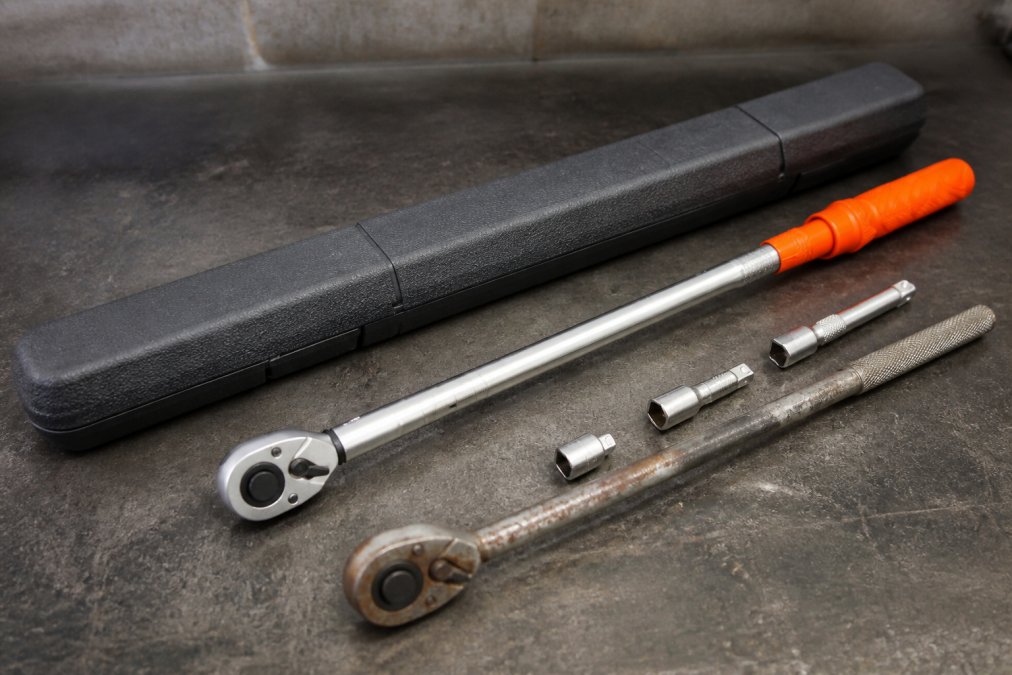
Material composition tells the story. Cheap tools are typically made from lower-grade steel that hasn't undergone proper heat treatment. Premium tools use chrome-vanadium or similar hardened steel that resists deformation under stress. When you apply torque to a cheap socket, the metal can flex and permanently deform. A quality socket maintains its shape and grip over thousands of uses.
The warranty difference is telling. Budget tool manufacturers offer limited or no warranty coverage because they expect failures. Premium tool makers back their products with warranties because they've engineered them to last. Corrosion resistance also matters more than most realize. Cheap tools rust quickly in humid garages or salt air, increasing friction and accelerating degradation. Chrome-plated premium tools resist corrosion for decades.
| Tool Type | Budget Option | Premium Option | Real-World Difference |
|---|---|---|---|
| Socket Set | Lower-grade steel, limited warranty | Chrome-vanadium, lifetime coverage | Budget sockets strip fasteners; premium maintain precision |
| Torque Wrench | Basic calibration | Certified accuracy ±3%, calibration certificate | Budget tools over/under-tighten; precision prevents damage |
| Ratchet | Standard mechanism, quick wear | Ball-bearing detent, smooth operation | Budget ratchets slip; premium tools stay engaged |
| Impact Wrench | Basic motor, shorter lifespan | Brushless motor, extended service life | Budget tools burn out; premium tools handle repeated heavy use |
The cost-per-use calculation flips when you factor in longevity. A cheap wrench set costs $30 and lasts two years. A premium set costs $110 and lasts 20 years (the FTC). That's $15 per year versus $5.50 per year. Over a decade, you're ahead with the premium option.

Total Cost of Ownership: Why Expensive Garage Tools Often Win
Total cost of ownership (TCO) is where the expensive garage tools argument becomes mathematically clear. Most people calculate tool cost as purchase price only. True TCO includes purchase price, replacement frequency, downtime costs, and the cost of problems created by tool failure.
Consider a torque wrench. A budget model costs around $25 with no calibration certificate. A quality torque wrench from Superior Tool Garage and Outdoors, like the Torque Wrench Set at $65.99, includes certified accuracy and a calibration certificate. The budget wrench drifts out of calibration within months (nist.gov). The premium wrench maintains ±3% accuracy for years.
For automotive work where fastener torque specifications matter, an uncalibrated wrench creates expensive problems. Over-tightening breaks bolts. Under-tightening causes fastener loosening and potential component failure. One mistake can cost hundreds in parts and labor.
If you replace a cheap tool every 2-3 years and a premium tool every 15-20 years, you're buying the cheap tool 5-7 times while buying the premium tool once. Downtime also has real financial impact. A mechanic whose tools fail during a job loses billable hours. A homeowner who can't complete a repair on schedule creates cascading problems.
Quality tools also have better resale value. A used premium tool retains 40-60% of its original value. A used cheap tool is worth pennies.
Professional vs Consumer Grade Tools: What Actually Differs
The distinction between professional and consumer grade tools is real and substantial.
Consumer grade tools are designed for occasional use, a few projects per year. Professional grade tools are engineered for daily heavy use, often 8+ hours per day. Material composition is the first divider. Professional tools use higher-grade steel alloys with more rigorous heat treatment that maintains properties under stress. Consumer tools use acceptable but lower-grade materials that degrade faster under heavy use.
Precision and tolerance standards separate the categories. Professional tools maintain tighter tolerances. A professional socket fits a fastener more precisely, reducing the risk of rounding off bolt corners. The ratchet mechanism is telling. Professional impact wrenches use ball-bearing detents designed for thousands of cycles (asme.org). Consumer models use simpler mechanisms that wear faster.
Ergonomics differ meaningfully. Professional tools are designed for comfort during extended use. Handles are shaped to reduce fatigue, and grip textures are optimized for sweaty hands. Consumer tools prioritize cost over ergonomics.
The Superior Tool Garage and Outdoors 228Pcs Socket Wrench Set at $109.99 sits in the professional-consumer crossover, handling serious DIY and light professional work. The 3-in-1 Impact Wrench at $138.99 with its brushless motor and 1300 N.m maximum torque is designed for frequent automotive work.

Best Tools for Car Maintenance Beginners: Where Quality Matters Most
Starting with the right tools matters more for beginners than for experienced mechanics. Beginners lack the technique to compensate for poor tools, and a tool failure early in your learning process creates frustration.
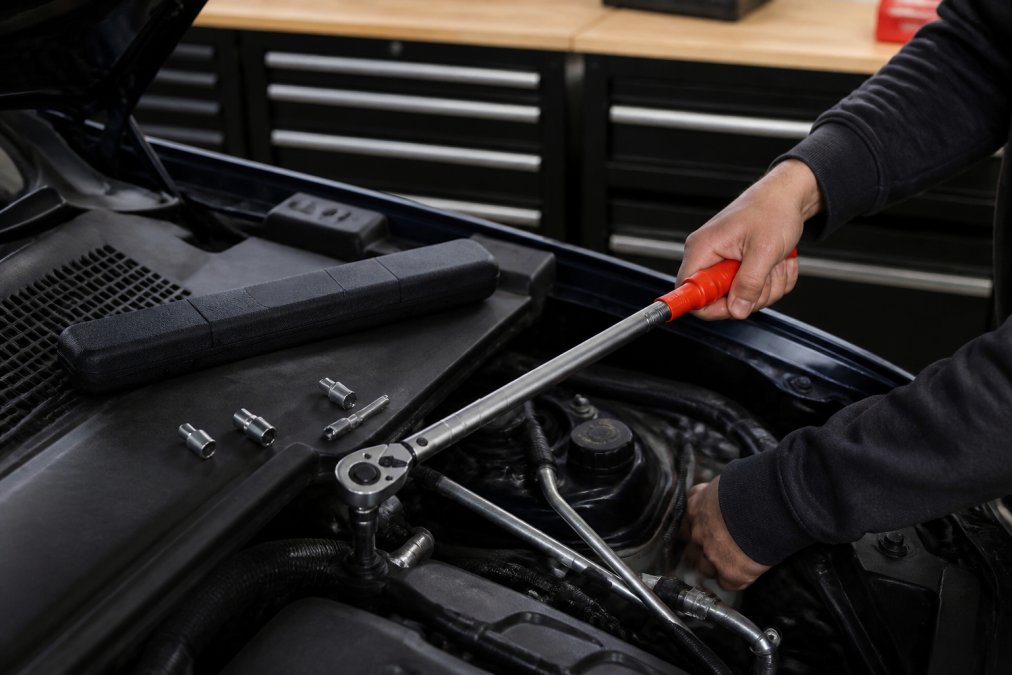
Torque wrenches are the first place to invest in quality. Beginners often over-tighten fasteners because they lack feel for proper tension. A cheap torque wrench that drifts out of calibration makes the problem worse. A quality torque wrench with a click mechanism provides feedback and ensures fasteners are tightened to specification. The Superior Tool Garage and Outdoors Torque Wrench Set at $65.99 includes the calibration accuracy that prevents stripped bolts.
Socket sets are the second priority. Beginners will round off bolt corners if sockets don't fit properly. Budget sockets have looser tolerances and slip more easily. The 3/8" Drive 16 Piece Metric Socket Set at $42.99 provides precision fit for common automotive fasteners.

Screwdrivers are where beginners can save money. A basic set of quality screwdrivers is inexpensive and lasts forever. The Professional Screwdriver Set at $20.99 provides precision tips that won't strip screw heads. The 50 Piece General Household Toolbox at $33.99 is a solid starter kit with hammer, pliers, tape measure, hex keys, bits, and fasteners.
Where beginners should avoid cheap tools: impact wrenches, torque wrenches, and precision sockets. These tools require accuracy and durability that cheap versions don't deliver.
Tool Maintenance and Longevity Tips for Maximum Value
A quality tool that's neglected will fail faster than a decent tool that's maintained properly. Maintenance is how you extend the lifespan of expensive garage tools.
Cleanliness is the foundation. After each use, wipe tools clean with a dry cloth. Moisture and debris accelerate corrosion and wear. For tools exposed to salt air or humidity, a light coat of oil or tool protectant prevents rust. Storage matters significantly. Tools stored in damp environments corrode faster. Keep tools organized in a toolbox or cabinet, not scattered where they're exposed to the elements.
Calibration of precision tools should be checked annually if used frequently. Torque wrenches drift out of calibration with use. Cordless tools should be stored with batteries partially charged, not fully charged or depleted. Brushless motors like those in the 3-in-1 Impact Wrench require less maintenance than brushed motors.
Replace worn components before they fail catastrophically. A worn ratchet mechanism should be serviced or replaced. A socket that's starting to strip fasteners should be retired.
When to Splurge and When to Save: A Framework for Smart Buying
The decision to buy expensive garage tools isn't binary. It's contextual.
Splurge on tools you use frequently. If you work on your vehicles monthly or tackle regular projects, invest in quality. The tool will be used enough to justify the cost.
Save on tools you use rarely. If you need a specific tool for a one-time project, a budget option makes sense.
Splurge on precision tools. Torque wrenches, measuring tools, and anything that affects fastener integrity should be quality. Precision matters, and cheap precision tools are contradictions.
Save on basic hand tools. A hammer, pliers, adjustable wrench, and basic screwdrivers don't need to be premium.
Splurge on tools that prevent damage. If a tool failure creates expensive secondary problems, invest in quality. Impact wrenches that might strip fasteners, sockets that might round off bolt corners, and torque wrenches that might over-tighten are worth the premium.
Save on redundant tools. Buy one quality version of each tool you actually need rather than multiple mediocre versions.
The framework is simple: frequency of use, precision requirements, and risk of secondary damage determine quality level. Use this to evaluate each tool individually rather than applying a blanket approach.
The decision to invest in expensive garage tools comes down to math and honesty about your actual usage. If you use tools frequently, precision matters in your work, or tool failure creates expensive problems, premium tools deliver measurable value. If you're a casual user tackling occasional projects, budget tools are adequate.
Most people underestimate their own tool usage. Start with quality basics, a good socket set, a reliable torque wrench, and a decent impact wrench, and upgrade from there. Superior Tool Garage and Outdoors offers professional-grade tools at accessible prices. Shop our collection today to find the tools that match your actual needs and get the job done right.
Frequently Asked Questions
Are expensive garage tools actually worth the investment for a DIY homeowner?
Yes, but it depends on frequency of use and the consequences of failure. Tools used regularly justify premium prices through durability and accuracy. A torque wrench at $65.99 prevents fastener damage that could cost hundreds in repairs. For occasional projects, entry-level options work fine. The key is matching tool quality to how often you'll use it and what breaks if it fails.
What's the difference between professional vs consumer grade tools?
Professional-grade tools use superior materials like hardened chrome-vanadium steel, tighter tolerance specifications, and longer service life. Consumer-grade tools sacrifice precision and durability for lower cost. Professional tools maintain accuracy over thousands of uses; consumer tools degrade faster. For tasks requiring precision (torque specifications, fastener work), professional-grade delivers better results and fewer callbacks.
Which garage tools should a beginner prioritize buying quality versions of?
Start with torque wrenches, socket sets, and impact tools. Torque wrenches prevent fastener damage; cheap ones lose calibration quickly. Quality socket sets resist rounding and stripping. The 228-piece socket wrench set at $109.99 covers most automotive needs with better durability than budget alternatives. Skip premium versions of single-use tools until you know you need them regularly.
How do I know if a tool will actually last longer than a cheap alternative?
Check material composition (chrome-vanadium vs. mild steel), heat treatment processes, warranty length, and resale value. Read warranty policies, lifetime replacement indicates manufacturer confidence. Inspect chrome plating thickness and ratchet mechanism smoothness. Superior tools feel heavier and operate with less resistance, indicating better internal engineering.