


Table of Contents
- What Defines Professional Grade Outdoor Living Gear
- Best Outdoor Canopy for Backyard Living Spaces
- Durable Outdoor Furniture Materials That Last
- Heavy-Duty Outdoor Storage Solutions for Gear
- Commercial-Grade Durability Standards Explained
- Climate-Specific Gear Selection and Maintenance
- Professional Grade Outdoor Living Gear Worth the Investment
- Frequently Asked Questions
Last Updated: August 25, 2026
What Defines Professional Grade Outdoor Living Gear
Professional grade outdoor living gear refers to equipment and furniture built to withstand commercial environments, extreme weather, and heavy use over many seasons. Unlike consumer-grade alternatives, professional grade outdoor living gear prioritizes structural integrity, material durability, and long-term performance over initial cost.
The distinction matters because professional standards exist for a reason. Commercial-grade durability means equipment has been tested under conditions far more demanding than typical residential use. A professional-grade canopy won't sag after one season. Professional-grade furniture won't rust through after two winters.
What separates professional gear comes down to three core factors: material composition, manufacturing tolerances, and structural design. Professional grade outdoor living gear uses powder-coated metals instead of painted finishes, UV-resistant fabrics instead of standard textiles, and reinforced joints instead of simple fasteners. The materials cost more upfront, but the result is equipment that holds up.
Best Outdoor Canopy for Backyard Living Spaces
The best outdoor canopy for backyard living spaces combines weather resistance, structural stability, and practical coverage. A professional-grade canopy should provide shade without creating wind resistance that topples the structure and maintain its integrity through UV exposure and temperature fluctuations.
The ideal canopy design uses powder-coated aluminum frames paired with high-performance fabric. Aluminum resists corrosion without requiring constant maintenance. The fabric should be solution-dyed, meaning the color is embedded in the fiber rather than applied as a coating, preventing fading that typically occurs within one season of sun exposure.
Consider size carefully. Most residential applications benefit from a 10-by-12-foot or 12-by-15-foot canopy, which covers a dining area or conversation seating without dominating the space. Measure your actual outdoor living space first, then select a canopy that leaves roughly two feet of clearance on each side.
Installation matters as much as the canopy itself. Professional-grade canopies should be permanently anchored using concrete footings or heavy-duty ground stakes, never simply weighted down with sandbags. Proper drainage is also essential, water should flow off the fabric rather than pooling. Look for canopies with a slight crown or slope built into the frame.
Durable Outdoor Furniture Materials That Last
Durable outdoor furniture materials are the foundation of any investment-grade outdoor living space. Professional grade outdoor living gear relies on specific material combinations that resist corrosion, UV damage, moisture penetration, and structural fatigue.
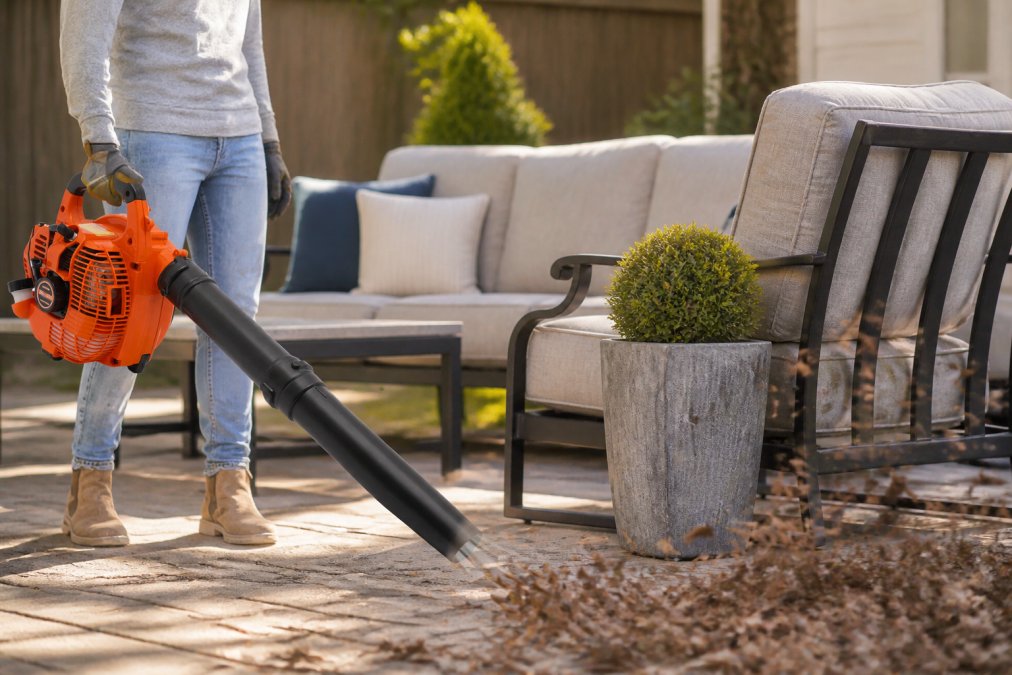
Powder-coated aluminum is the standard for professional-grade frames. The aluminum itself resists rust, and the powder coating adds a protective layer that prevents oxidation and maintains color. Stainless steel offers even greater corrosion resistance but costs significantly more. Avoid painted metal frames, as the paint eventually chips, exposing bare metal to rust.
Cushion fabric should be solution-dyed acrylic, not vinyl or polyester. Solution-dyed fabrics have color embedded throughout the fiber, so fading is minimal even after years of direct sun exposure. The fabric should also have a tight weave that resists moisture penetration. Look for fabrics rated for outdoor use with UV resistance specifications.
Teak and ipe wood represent the premium option for wooden furniture. Both woods contain natural oils that resist rot and insect damage without requiring chemical treatment. Avoid pressure-treated lumber for outdoor furniture. Synthetic wicker made from UV-resistant resin won't deteriorate, fade, or support mold growth, unlike natural wicker which deteriorates quickly in outdoor environments.
Heavy-Duty Outdoor Storage Solutions for Gear
Heavy-duty outdoor storage solutions keep your camping equipment, seasonal decorations, garden tools, and recreational gear organized and protected from the elements. Professional grade outdoor living gear storage preserves your investment by keeping equipment dry, secure, and accessible.
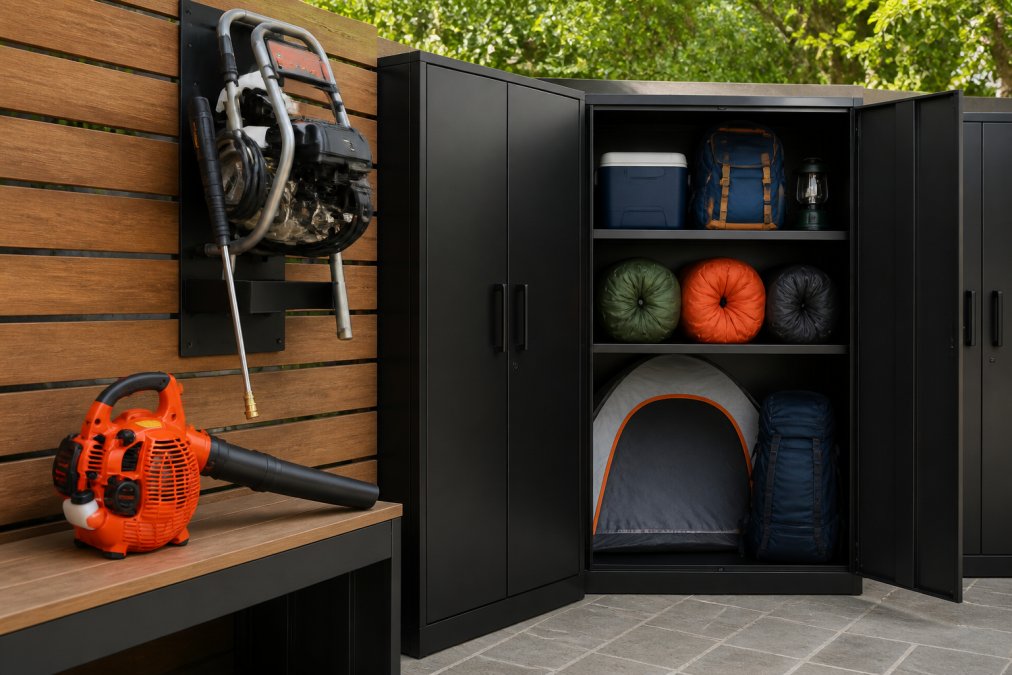
Metal storage cabinets with powder-coated finishes provide the best combination of durability and weatherproofing. These cabinets resist rust, maintain structural integrity through temperature extremes, and keep moisture away from stored equipment. Look for cabinets with ventilation that prevents condensation buildup inside.
Capacity matters. A professional-grade storage cabinet should accommodate camping tents, sleeping bags, seasonal patio cushions, grilling equipment, and yard tools. Shelving systems inside should be adjustable and rated for heavy loads. Look for units with bolt-together construction rather than welded designs, so individual components can be replaced if needed.
Consider placement strategically. Storage should be accessible but not dominate your outdoor living space visually. Positioning cabinets against a fence line or behind landscaping keeps them out of sight while maintaining easy access. Ground-level placement should include a slight slope or drainage consideration to prevent water pooling around the cabinet base.
Metal cabinets need occasional inspection for rust spots and touch-ups with matching paint. Professional grade outdoor living gear storage typically uses metal construction because it balances durability, security, and minimal maintenance.
Commercial-Grade Durability Standards Explained
Commercial-grade durability standards define how equipment performs under conditions far more demanding than typical residential use. Understanding these standards helps you evaluate whether gear truly qualifies as professional-grade.
Commercial equipment is tested for performance under heavy use, hundreds or thousands of cycles, rather than occasional use. A commercial-grade chair might be tested for 50,000 sit-down cycles (bifma.org). A commercial canopy is tested for wind loads and UV exposure that exceed what most residential installations experience.
UV resistance ratings measure how well materials resist fading and degradation from sun exposure. Professional-grade fabrics typically have UV resistance ratings of 500+ hours, meaning they can withstand 500 hours of intense UV exposure before significant fading occurs (astm.org). Residential-grade fabrics often rate at 100-200 hours.
Corrosion resistance standards specify how materials perform in salt-air environments or high-moisture conditions. Professional-grade powder coating is typically 1.5 to 3 mils thick, providing superior protection compared to standard consumer coatings (astm.org). Structural load ratings define maximum weight capacity and wind resistance. Professional-grade canopies are engineered to withstand wind speeds of 45-60 mph without failure.
| Durability Factor | Professional Grade | Consumer Grade | Real-World Impact |
|---|---|---|---|
| UV Resistance | 500+ hours | 100-200 hours | Cushions stay vibrant 2-3 years vs. 6 months |
| Powder Coating | 1.5-3 mils | 0.5-1 mil | Rust protection for 10+ years vs. 2-3 years |
| Wind Rating | 45-60 mph | 25-35 mph | Survives storms vs. requires takedown |
| Joint Design | Reinforced | Standard fasteners | Remains solid after 5 years vs. loosens after 2 |
Climate-Specific Gear Selection and Maintenance
Professional grade outdoor living gear performs differently depending on your climate. Equipment that excels in dry, moderate climates might fail in humid or coastal environments.
Coastal and salt-air environments demand materials with exceptional corrosion resistance. Stainless steel or marine-grade aluminum with heavy powder coating is essential. Regular rinsing with fresh water removes salt residue that accelerates corrosion. Equipment in coastal areas should be inspected monthly rather than seasonally.
High-humidity climates require ventilated storage and mildew-resistant materials. Synthetic wicker and solution-dyed fabrics resist mold growth. Metal storage cabinets should include drainage holes and ventilation to prevent condensation buildup inside.
Extreme heat environments stress materials through UV exposure and thermal expansion. Solution-dyed fabrics are essential, as standard coatings fade within one season. Light-colored finishes reflect heat better than dark colors. Cold climates with freeze-thaw cycles require materials that expand and contract without cracking. Metal frames handle temperature swings well, while wooden furniture can split if moisture freezes inside the wood.
Maintenance schedules vary by climate. Coastal areas require monthly inspection and rinsing. Humid climates benefit from quarterly mildew checks. Moderate climates typically need seasonal maintenance. Extreme climates often require equipment storage during off-season months.
Professional Grade Outdoor Living Gear Worth the Investment
Professional grade outdoor living gear requires higher initial investment but delivers value through longevity and performance that consumer-grade alternatives cannot match. Calculate the true cost over time. A professional-grade canopy might cost twice as much but last three times longer. Over fifteen years, the professional-grade option costs less per year.
Superior Tool Garage and Outdoors carries professional-grade equipment specifically designed for long-term performance. The Commercial Handheld Gas Leaf Blower at $106.99 represents professional equipment that handles commercial-scale yard work. The Gas Pressure Washer 3500PSI at $468.99 delivers commercial-grade cleaning power for maintaining your outdoor surfaces.


Professional-grade equipment also maintains resale value better. When you eventually upgrade or move, professional-grade furniture and storage sell for a higher percentage of original cost because buyers recognize the quality.
The investment makes sense if you plan to stay in your home for at least five years and use your outdoor space regularly. For anyone building a permanent outdoor living space, professional-grade gear delivers better value through durability, performance, and reduced maintenance.
Transforming your outdoor space into a durable, low-maintenance area requires choosing equipment built to last. Professional grade outdoor living gear represents an investment in longevity, equipment that remains functional and attractive through multiple seasons without constant replacement. Superior Tool Garage and Outdoors provides the selection and expertise to help you choose gear that matches your climate, your space, and your actual use patterns. Shop our collection of commercial-grade outdoor equipment today and build an outdoor living space that delivers value for years to come.
Frequently Asked Questions
Q: What defines professional grade outdoor gear?
A: Professional grade outdoor living gear meets commercial-grade durability standards designed for high-use environments. These products feature corrosion-resistant materials like powder-coated steel and aluminum, UV-resistant finishes, heavy-duty construction with reinforced joints, and engineering tested for extended lifespans. Unlike residential-grade alternatives, professional-grade equipment withstands extreme weather, frequent use, and maintains structural integrity with proper maintenance.
Q: Is professional grade outdoor furniture worth the investment?
A: Yes, if you plan to use your outdoor living space regularly. Professional-grade furniture costs more upfront but eliminates replacement cycles. The durability, reduced maintenance, and consistent performance make professional-grade gear a sound long-term investment.
Q: What materials are best for long-lasting outdoor living gear?
A: Powder-coated aluminum and stainless steel resist corrosion and UV damage better than untreated metals. Hardwoods like teak and cedar naturally repel moisture and insects. High-density polyethylene and polypropylene resist fading and cracking. Look for UV-resistant fabric blends. Avoid bare wood, untreated steel, and thin plastics. Check product specifications for corrosion-resistance ratings and commercial-grade certifications to ensure your outdoor furniture withstands seasonal weather changes.
Q: How do I maintain professional grade outdoor equipment?
A: Clean surfaces monthly with mild soap and water using tools like the [Cordless Power Blaster Plus Pressure Washer](https://superiortoolgarageandoutdoors.com/products/cordless-power-blaster-plus-pressure-washer) ($54.99) for decks and patios. Inspect joints and fasteners quarterly for looseness. Apply protective coatings annually to wood surfaces. Store seasonal gear in heavy-duty outdoor storage solutions during off-seasons. For gas-powered equipment like the [Commercial Handheld Gas Leaf Blower](https://superiortoolgarageandoutdoors.com/products/commercial-handheld-gas-leaf-blower) ($106.99), follow manufacturer maintenance schedules. Proper maintenance extends equipment life and prevents rust, fading, and structural degradation.