


Table of Contents
- Quick Comparison: Best Picks for Harsh Climates
- Weather-Resistant Patio Furniture Materials That Last
- Best Outdoor Furniture for Coastal Living: Salt and Wind
- Our Top Durable Outdoor Furniture Picks for Harsh Climates
- How We Evaluated for Longevity and Structural Integrity
- How to Maintain Outdoor Furniture in Extreme Weather
- Which One Should You Pick?
- Final Verdict on Long-Lasting Outdoor Pieces
- Frequently Asked Questions
Last Updated: September 9, 2026
Choosing durable outdoor furniture for harsh climates comes down to one question: does the material match your local weather, or just your aesthetic? Sun, salt air, freezing rain, and heavy wind each attack furniture differently. This guide breaks down which materials hold up where you live, then recommends three specific sets from Superior Tool Garage and Outdoors.
Quick Comparison: Best Picks for Harsh Climates
The three featured picks cover the most punishing scenarios: wet winters, intense sun, and heavy rain.
| Product | Frame Material | Climate Strength | Price | Best For |
|---|---|---|---|---|
| Oversized Patio Rocking Chair | Powder-coated steel | Wet winters, rust resistance | $169.99 | Coastal and snowy regions |
| Wicker Outdoor Couch with Storage | Steel core, PE rattan | Hot sun, UV resistance | $438.99 | Desert and high-altitude sun |
| 5-Piece Outdoor Dining Set | Slatted metal | Heavy rain, drainage | $276.99 | Rainy and humid climates |
Each targets a specific environmental weakness rather than promising generic "all-weather" performance.
Weather-Resistant Patio Furniture Materials That Last
Selecting a frame material dictates the furniture's structural lifespan. 'Durable' combines resistance to UV radiation, moisture, salt, and temperature fluctuation.
Powder-Coated Steel
Powder-coated steel is a top performer for wet and coastal climates because the coating forms a thick, continuous barrier that prevents moisture and oxygen from reaching the underlying metal. The critical vulnerability is the coating itself: if scratched or chipped, the exposed steel will rust rapidly. Look for frames with a two-part finish using a zinc-rich primer underneath the powder coat, providing galvanic protection that prevents rust from spreading even at the scratch point.
Galvanized Steel
Galvanized steel is the workhorse of industrial outdoor applications. The hot-dip galvanizing process creates a thick, metallurgically bonded zinc layer highly resistant to corrosion, including salt spray, making it a superior choice for coastal environments. The trade-off is aesthetic: its spangled gray finish is less refined than powder coating, though it can be painted with exterior metal paint.
High-Density Polyethylene (HDPE)
HDPE is a marine-grade plastic that does not absorb water, does not rot, and resists UV degradation because the color is infused throughout the material, so it will not fade or chalk like painted wood. Its primary weakness is structural: it is not as rigid as metal and can sag under heavy weight or high heat, so it is best used in slatted designs or thick cross-sections. It suits hot, sunny, and humid climates but can become brittle in extreme cold.
Aluminum
Aluminum is naturally corrosion-resistant because it forms a thin, self-healing oxide layer, making it a default choice for coastal furniture. However, the alloy's composition matters: cast aluminum is thick and stable in wind but can be porous and prone to pitting in salt air, while extruded aluminum is lighter and stronger but often thinner and more susceptible to denting. The most durable frames are extruded and then powder-coated, providing a double layer of protection.
Teak and Other Hardwoods
Teak is prized for its natural oils that resist moisture, rot, and insects, performing excellently in wet and humid climates. The trade-off is maintenance and cost: unsealed teak weathers to a silver-gray patina but requires annual cleaning to prevent mold, while sealed teak retains its golden-brown color but needs re-sealing every one to two years. High-grade teak is also significantly more expensive than metal or plastic.
The Verdict on Materials
For a low-maintenance, long-lasting frame, the best options are powder-coated steel with a galvanized primer for wet and coastal climates, or extruded aluminum with a powder-coat finish for a lighter-weight option. HDPE is best for sun-drenched, dry climates where UV degradation is the primary threat. Avoid bare steel, wrought iron, and untreated softwoods, as they will fail within a few seasons under any harsh condition.
For cushion fabrics, the standard is solution-dyed acrylic, where the color pigment is mixed into the polymer before the fiber is extruded, making it highly resistant to UV fading and inherently moisture-resistant and quick-drying.
Best Outdoor Furniture for Coastal Living: Salt and Wind
Coastal living furniture requirements go beyond simple water resistance because salt air accelerates corrosion on unprotected metal. Marine-grade aluminum and powder-coated steel handle this environment best. Wind poses a second threat, so weight and structural integrity matter as much as corrosion resistance.
A heavy-duty steel frame with anti-tip features and a wide base stays put in gusty conditions. The Oversized Patio Rocking Chair fits this profile with its powder-coated steel construction and anti-tip pads. For coastal buyers, look for furniture rated at 250 pounds or more per seat, which usually indicates a frame substantial enough to resist wind uplift. guidance from the American Society for Testing and Materials on outdoor furniture durability outlines standard tests for corrosion and impact resistance that coastal shoppers should reference before purchasing.

Our Top Durable Outdoor Furniture Picks for Harsh Climates
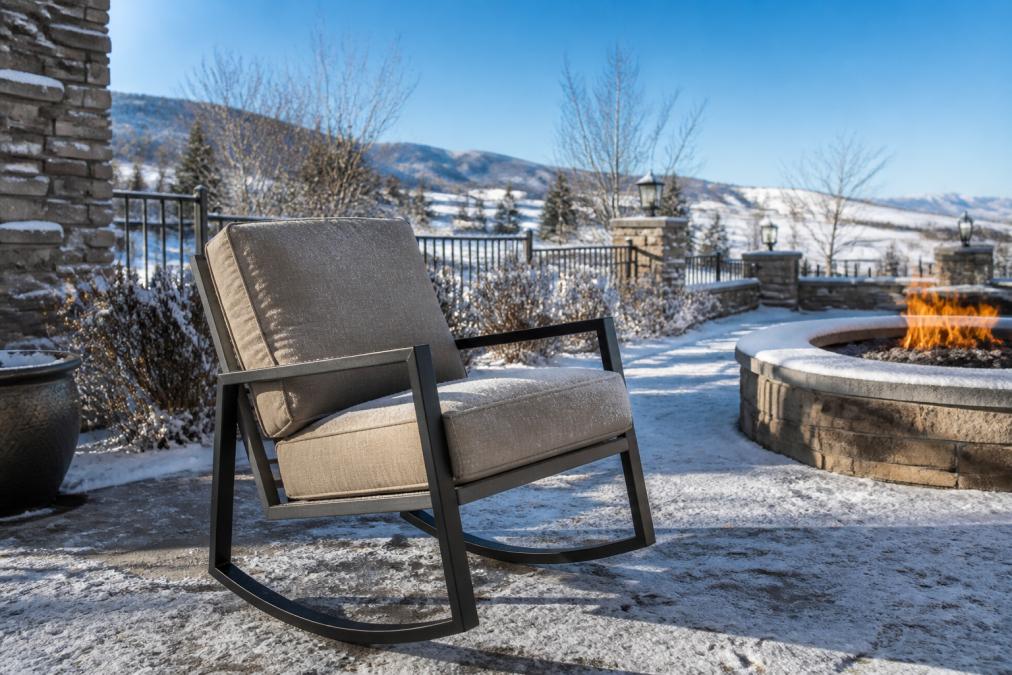
These three picks represent the strongest combinations of frame material, finish, and design for specific climate challenges.
Oversized Patio Rocking Chair: Powder-Coated Steel for Wet Winters
For regions with freezing rain, snow, and road salt, the Oversized Patio Rocking Chair at $169.99 delivers the rust resistance wet winters demand. Its heavy-duty powder-coated steel frame supports up to 450 pounds, and the high-density waterproof cushion resists mold and mildew while fade-resistant fabric maintains its color through UV exposure.
The chair includes anti-tip pads that keep it stable on icy surfaces and an adjustable rocking motion. The steel frame's weight also helps prevent wind from toppling it during winter storms.
Wicker Outdoor Couch with Storage: UV-Resistant PE Rattan for Hot Sun
Desert climates and high-altitude sun demand furniture that resists UV degradation, and the Wicker Outdoor Couch with Storage at $438.99 uses UV-resistant PE rattan wrapped around a steel frame. PE rattan does not dry out and crack like natural wicker, and the steel core provides structural integrity that all-plastic furniture lacks. The couch seats three adults with a weight capacity of 794 pounds.

Splash-resistant, zippered cushion covers make cleaning straightforward, and hidden storage under the armrests keeps cushions protected when not in use. The wide armrests double as side tables.
5-Piece Outdoor Dining Set: Slatted Metal for Heavy Rain
Humid and rainy climates create constant moisture exposure, and the 5-Piece Outdoor Dining Set at $276.99 handles this with a slatted metal tabletop designed for water drainage. The gaps between slats prevent water accumulation and allow the surface to dry quickly, reducing the risk of rust and mildew. The PVC-coated polyester chair fabric resists water, oil, and UV damage while remaining breathable.

Each chair supports up to 350 pounds, and the metal frame requires no special maintenance beyond occasional cleaning. The drainage-focused tabletop design eliminates the pooling that damages solid-surface tables over time.
How We Evaluated for Longevity and Structural Integrity
Our evaluation focused on repairability and lifecycle analysis rather than surface-level durability claims, examining frame material, coating quality, joinery methods, and whether replacement parts remain available. A chair with a 10-year frame but non-replaceable cushions has a shorter practical life than one with a 5-year frame and readily available replacements.
Weight and wind-resistance testing factored heavily into our picks. Furniture under 20 pounds typically requires anchoring in windy regions, while heavier steel frames stay grounded without additional hardware. Chemical compatibility also mattered: we checked that cleaning products and fabric treatments recommended for each piece would not degrade the frame coating or cushion fabric. the American Society for Testing and Materials standards for outdoor furniture performance provided the baseline for our corrosion and impact expectations.
How to Maintain Outdoor Furniture in Extreme Weather
Maintenance is a system of checks and interventions tailored to your material and climate. Most failures come not from the initial stressor but from the degradation of a protective layer that was not maintained.
The Repair-First Mindset
Most buying guides treat furniture as disposable, but the most durable piece is the one you can fix. A new cushion is often 30-50% of the cost of a new chair, yet it can double the life of the frame, and a can of touch-up paint under $20 can prevent a rust spot from compromising the structure.
Material-Specific Maintenance Protocols
For Powder-Coated and Galvanized Steel:
- Inspect for Scratches: At the start of each season, inspect the frame for any chips or scratches. These are the entry points for rust.
- Touch-Up Immediately: Clean the scratch with a mild degreaser, let it dry, and apply a high-quality rust-inhibitive touch-up paint that matches the frame color. For galvanized steel, use a cold-galvanizing spray paint that contains zinc dust to restore the sacrificial layer.
- Rinse for Salt: In coastal areas, rinse the frame with fresh water every two weeks to remove salt deposits. Salt is hygroscopic, meaning it attracts moisture, which accelerates corrosion at any imperfection.
- Wax for Protection: Apply a thin coat of automotive-grade paste wax to the frame twice a year. This adds a hydrophobic layer that helps water bead off and provides a small barrier against salt and pollutants.
For HDPE and Composite Materials:
- Clean with a Soft Brush: Use a soft-bristle brush and a solution of mild dish soap and warm water to remove dirt and pollen. Avoid pressure washers, which can force water into seams and dull the surface.
- Remove Stubborn Stains: For rust stains from nearby metal furniture or hard water spots, use a specialized plastic cleaner or a paste of baking soda and water. Do not use abrasive pads, which will scratch the surface and create a rough texture that traps dirt.
- Revive Color: If the surface begins to look chalky or dull, use a heat gun on a low setting to gently re-melt the surface layer, which can restore the original color. This is a technique used by professionals to refurbish HDPE decking and furniture.
For Aluminum:
- Clean with a Non-Acidic Cleaner: Use a mild soap and water solution. Avoid acidic cleaners, which can strip the protective oxide layer and cause pitting.
- Address Pitting: If pitting has already occurred, clean the area thoroughly and apply a clear coat of marine-grade lacquer to seal the pits and prevent further oxidation.
Cushion and Fabric Refurbishment
- Deep Clean: At the end of the season, clean cushions with a solution of warm water and a specialized outdoor fabric cleaner. Apply with a soft brush, let it sit for 10-15 minutes, and rinse thoroughly.
- Waterproofing: After cleaning and drying, apply a fabric waterproofing spray. This is not just for rain; it prevents moisture from being absorbed, which is the primary cause of mildew and fabric degradation.
- Replace, Don't Discard: If a cushion is faded or the zipper is broken, look for replacement cushions.
Seasonal Storage and Preparation
Before Winter:
- Clean and Dry: Clean all frames and cushions thoroughly. Ensure everything is completely dry before storage.
- Store Cushions: Store cushions in a dry, ventilated space. Do not store them in plastic bags, which trap moisture. Use a breathable storage bag or a cotton sheet.
- Cover or Move: For frames, either cover them with a breathable furniture cover or move them under a covered patio. If they must stay out, elevate them off the ground on blocks to prevent water from pooling on the legs.
Before Summer:
- Inspect and Tighten: Check all bolts and joints. Thermal expansion and contraction over the winter will loosen hardware. Tighten everything with a wrench, not a screwdriver, to ensure a secure fit.
- Lubricate Moving Parts: Apply a silicone-based lubricant to any moving parts, such as rocking chair mechanisms or folding joints. Avoid oil-based lubricants, which attract dust and can degrade plastic components.
Which One Should You Pick?
Match the furniture to your dominant climate stressor rather than buying the most expensive option. Coastal and snowy regions should prioritize the Oversized Patio Rocking Chair for its rust-resistant powder-coated steel and wind-stable weight. Hot, sunny climates with intense UV exposure need the Wicker Outdoor Couch with Storage, since PE rattan resists fading and cracking better than any natural material.
Rain-heavy and humid areas benefit most from the 5-Piece Outdoor Dining Set, whose slatted tabletop prevents water pooling and structural degradation. If you face multiple stressors, such as coastal salt plus intense sun, choose the option that addresses the more destructive force, typically salt corrosion, and use covers to manage the secondary threat. the National Weather Service climate data on regional extreme weather patterns can help you identify which stressors dominate your specific area.
Final Verdict on Long-Lasting Outdoor Pieces
Durable outdoor furniture for harsh climates exists, but only when the material science matches your regional conditions. The common mistake is buying furniture rated for moderate weather and expecting it to survive extremes; the frame material determines whether your investment lasts two seasons or ten.
Start by identifying your primary climate stressor, then choose the piece engineered for that specific challenge. Browse the outdoor furniture collection at Superior Tool Garage and Outdoors to find designs that handle the conditions your patio actually faces.
Frequently Asked Questions
What is the longest lasting outdoor patio furniture?
Frames made of powder-coated steel, galvanized steel, or high-density polyethylene (HDPE) last longest in harsh climates. For cushions, solution-dyed acrylic fabric resists UV rays and mold. Pieces like the Oversized Patio Rocking Chair use a heavy-duty powder-coated steel frame that supports up to 450 lbs and resists rust, making it a durable choice for year-round outdoor living.
What is the most weather-resistant outdoor furniture material?
For frames, powder-coated steel and aluminum offer the best rust resistance. For surfaces, HDPE plastic and PE rattan wicker handle rain, salt air, and UV exposure without cracking. The Wicker Outdoor Couch with Storage uses a steel frame wrapped in UV-resistant PE rattan, which stands up to coastal salt air and intense sun better than natural wood.
What kind of outdoor furniture is best for hot climates?
Choose materials that resist UV damage and stay cool to the touch. Look for fade-resistant, breathable fabrics and metal frames with a powder-coated finish. The 5-Piece Outdoor Dining Set features a slatted metal tabletop that allows water to drain and PVC-coated polyester chairs that are UV resistant and withstand high temperatures without fading.
How do I protect outdoor furniture from extreme winter weather?
Store cushions indoors when temperatures drop below freezing. For furniture that stays outside, use heavy-duty covers and apply a protectant to metal frames. Clean frames with mild soap and water before storing, and check for rust spots each spring. Pieces with galvanized or powder-coated steel, like our rocking chairs, require minimal winter upkeep.