


Table of Contents
- What Are Modular Garage Cabinets
- How to Organize Small Garage Space with Modular Systems
- Materials and Durability: Steel vs. Melamine
- Heavy-Duty Garage Cabinets: What Makes Them Different
- Garage Cabinet Installation Guide
- Customization, Security, and Load Capacity
- Is a Modular System Right for Your Garage
- Frequently Asked Questions
Last Updated: September 25, 2026
What Are Modular Garage Cabinets
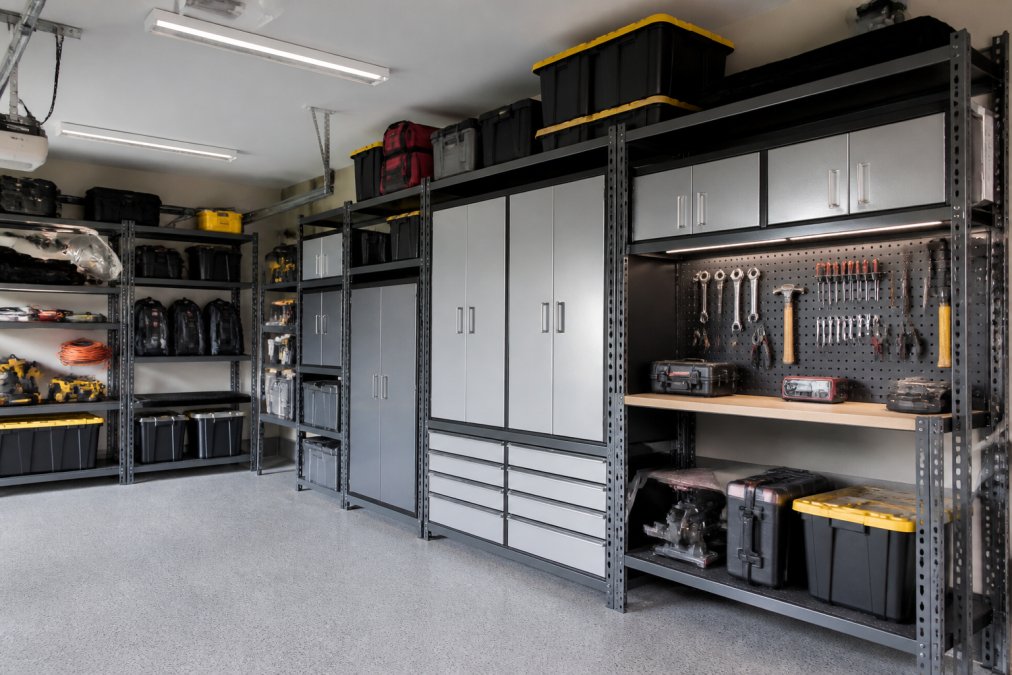
Modular garage cabinets are storage systems made of individual, interchangeable units you can arrange, reconfigure, and expand to fit your garage layout. Unlike fixed cabinetry, you can start with a basic setup and add components over time as your storage demands grow.
The core appeal is customization. Need more shelving next month? Add it. Want to relocate your workstation? Rearrange the units. This adaptability makes modular systems popular with homeowners, DIY enthusiasts, and automotive hobbyists who use their garages as active workshops.
Steel units handle heavier loads and last longer in damp environments. Both can be wall-mounted, floor-mounted, or freestanding, depending on your space and anchoring options.
A modular system grows with you. Start with basic shelving, add lockable cabinets for tools and chemicals, then expand when your hobby demands more room. You're building on what you already have, not replacing everything.
How to Organize Small Garage Space with Modular Systems
Small garages require ruthless prioritization. Use vertical organization, mount units on walls and keep the floor clear for actual work.
Map your garage layout: measure wall lengths, note door and window positions, and identify clear floor space needs. This prevents costly mistakes and guides component selection.
Wall-mounted modular units keep the floor open and make everything visible. Pair adjustable shelving with lockable cabinets for hazardous materials or expensive tools to store more in less space while maintaining safety.
Start with one or two sections, live with the setup for a month, then add more based on actual needs. This prevents overbuying and costs less initially.
For spaces under 300 square feet, dedicate one wall to storage and the opposite wall to your workbench. Modular systems let you adjust this balance without ripping out fixed cabinetry.
Materials and Durability: Steel vs. Melamine
Material choice determines durability, weight capacity, and long-term cost across different garage environments.
Heavy-duty steel construction uses powder-coated or galvanized finishes to resist rust and corrosion. Steel shelves support significantly more weight, typically 100+ pounds per shelf. If you're storing automotive tools, engine blocks, or workshop equipment, steel is non-negotiable. The powder-coated finish also looks more professional and withstands temperature swings better.
Steel requires maintenance in harsh environments. Wipe down exposed steel monthly in humid climates; sand rust spots and apply touch-up paint if needed. Galvanized steel requires less intervention but benefits from occasional cleaning to prevent zinc oxidation buildup.
In climate-controlled garages, steel maintenance is minimal. In damp spaces, expect 30-60 minutes per year on preventive care.
The true comparison isn't just material cost, it's total cost of ownership across your garage's environment and your expected usage intensity.
Climate-Controlled Garage, Heavy Professional Use: Steel is worth the premium. You're loading shelves heavily and opening drawers constantly. Steel's superior load capacity and structural rigidity prevent sagging and drawer binding. The 20-40% cost premium pays for itself in reliability and reduced downtime.
Unheated or Humid Garage, Any Usage Level: Steel is mandatory. A steel system costs more upfront but lasts 15+ years with minimal maintenance.
Coastal or Very Humid Climates: Steel with galvanized or stainless-steel fasteners is essential. Standard powder-coated steel will show surface corrosion faster in salt-air environments, but it remains structurally sound.
If installing modular cabinets next to a workbench with moisture-generating tools, steel handles dust and humidity better. Matching materials with overhead racks or slatwall systems creates a cohesive look.
For serious garage organization, steel offers better long-term value despite higher initial cost. You buy once and keep it 15+ years. If you plan to stay 10+ years and your garage isn't climate-controlled, steel is the rational choice.
Heavy-Duty Garage Cabinets: What Makes Them Different
Heavy-duty garage cabinets are engineered differently than standard units, which matters when storing valuable tools or heavy equipment.
Heavy-duty cabinets use reinforced frames, thicker gauge steel (18-20 gauge vs. 24-26 gauge), and welded joints. A standard unit handles 200 pounds per shelf; heavy-duty units handle 400-600 pounds.
Heavy-duty systems use ball-bearing slides rated for full-extension and heavy loads. Budget systems use cheaper slides that bind or derail under stress.
Heavy-duty cabinets use proper hinges and locking mechanisms that prevent door sagging and ensure security for tools, chemicals, or equipment.
Heavy-duty construction costs 20-40% more but is worth it for valuable tools or active workshops. Cheap cabinets fail; heavy-duty systems last.
Garage Cabinet Installation Guide
Installation difficulty depends on your system design and wall construction. Wall-mounted units require stud anchoring; floor-mounted units need level surfaces; freestanding units must be secured against tipping. Success depends on understanding your wall type and respecting load limits.
Preparation: Tools, Materials, and Wall Assessment
Gather the right tools: a 24-inch level, stud finder, drill with appropriately-sized bits, and tape measure. Use correct fasteners for your wall type, this is non-negotiable.
Identify your wall construction. Most garages have stud walls with drywall (studs 16 inches on center, ½-inch drywall, easiest for installation), concrete block/poured concrete (requires concrete anchors or lag bolts), or masonry brick (requires different anchor types).
Use a stud finder to locate and mark studs. If studs are unavailable or walls are concrete, use alternative fastening strategies.
Fastening Strategy by Wall Type and Load
Anchor directly into studs using lag bolts (½-inch, 3-4 inches) or heavy-duty wood screws, spaced 16 inches apart. Use at least four fasteners per mounting rail. If studs are unavailable, use toggle bolts or molly bolts rated for your expected load, but these are less reliable than stud fasteners. Never rely solely on drywall anchors for heavy-duty cabinets, they're rated for only 20-50 pounds each.
Use concrete anchors (wedge, sleeve, or drop-in) rated for your expected load. A ½-inch wedge anchor supports 200+ pounds. Drill pilot holes with a concrete bit and install per manufacturer instructions.
Estimate your actual load. A typical modular shelf with hand and power tools weighs 80-150 pounds. Multiply by 1.5 to account for dynamic loading. Use fasteners rated for at least this amount.
Leveling and Alignment
Check level constantly during installation. Use a 24-inch level for horizontal and vertical alignment. Establish a level baseline for your bottom shelf, then measure all subsequent shelves from it. Use shims to adjust height before tightening fasteners permanently.
Assembly Sequence
Read manufacturer instructions completely. Generally: assemble vertical frames on the ground, install horizontal supports and brackets, mount the frame to the wall (checking level), install shelves, then install doors and drawers last. Proper assembly ensures the system stays square and stable. A basic system takes 2-4 hours.
Common Installation Mistakes and How to Avoid Them
Common mistakes: anchoring only at the top (tall systems need anchoring at top, middle, and bottom), ignoring studs (always anchor into studs when possible), over-tightening fasteners (tighten until snug, then add a quarter-turn), and skipping level checks (verify before, during, and after installation).
When to Hire a Professional
If you're uncertain about wall construction, load calculations, or fastening methods, hire a professional. A $200-300 installation fee is cheap insurance against a cabinet failure that damages tools, property, or causes injury. Professional installers have experience with unusual wall types, can calculate loads accurately, and know how to anchor systems securely in challenging conditions.
Professional installation is especially recommended if:
- Your garage has concrete or masonry walls and you're unfamiliar with concrete anchoring.
- You're installing a heavy-duty system with expected loads exceeding 250 pounds per shelf.
- Your walls are plaster, brick, or other non-standard construction.
- You're mounting cabinets above a workbench where people will be working below (safety concern).
Assembly typically takes 2-4 hours for a basic modular system. Professional installation may take longer due to wall assessment and fastening complexity, but the result is a system that will last decades without failure.
Customization, Security, and Load Capacity
Customization is where modular garage cabinets shine. You're not buying a predetermined package, you're building a system.
Adjustable shelving lets you change shelf height as your storage needs evolve.
Is a Modular System Right for Your Garage
Modular garage cabinets work best when you have a specific problem to solve: clutter, poor organization, no workbench, or scattered tools. If your garage is already well-organized with fixed cabinetry you love, modular systems add little value.
| Consideration | Small Garage (<300 sq ft) | Medium Garage (300-500 sq ft) | Large Garage (500+ sq ft) |
|---|---|---|---|
| Best Layout | One wall for storage, one for work | Two walls for storage, floor for vehicles | Multiple walls, dedicated zones |
| Recommended Material | Steel for durability | Steel | Steel for heavy use |
| Starting Configuration | 2-3 modular units | 4-6 units | 6+ units, expandable |
| Load Priority | Moderate (100-150 lbs/shelf) | Moderate to heavy (150-250 lbs/shelf) | Heavy (250+ lbs/shelf) |
Frequently Asked Questions
What's the difference between modular garage cabinets and built-in cabinets?
Modular garage cabinets are freestanding units you can rearrange, expand, or relocate as your needs change. Built-in cabinets are fixed installations attached permanently to walls or floors. Modular systems offer flexibility and are easier to install yourself, while built-in options provide a seamless, custom look but require professional installation and commitment to a single layout.
How much do modular garage cabinets typically cost?
Costs vary widely based on materials and capacity. Basic metal shelving units start around $57.99 to $101.99, while heavy-duty stainless steel storage racks run $93.99 and up. Professional-grade modular cabinet systems can range from several hundred to thousands of dollars depending on size, material, and features like lockable doors and drawer slides.
What materials are best for heavy-duty garage cabinets?
Steel is the industry standard for heavy-duty garage storage. Powder-coated steel resists rust and corrosion, while stainless steel offers superior durability in humid environments. Melamine is a budget-friendly alternative but doesn't match steel's load-bearing capacity or longevity. For serious tool storage and workshop use, steel construction with a powder-coated or stainless finish provides the best durability and weight capacity.
Can I install modular garage cabinets myself?
Yes, most modular systems are designed for DIY installation. Floor-mounted units typically require only basic tools and level placement. Wall-mounted options may need stud location and proper anchoring. Assembly usually involves connecting modular components, adjusting shelves, and securing the unit. Always follow manufacturer instructions and ensure proper weight distribution based on load-bearing specifications to maintain safety and stability.
Garage organization transforms how you use your space, but only if your storage system matches your actual needs. A modular approach gives you the flexibility to build exactly what works for your garage without committing to fixed cabinetry. Superior Tool Garage and Outdoors provides the heavy-duty components and adjustable shelving you need to create a functional, organized workspace. Explore our collection of modular storage solutions and start building the garage setup you've been planning.