


Table of Contents
- What Makes Heavy Duty Workbenches Different
- Heavy Duty Workbench Weight Capacity and Load Ratings
- Steel vs Wood Workbench Durability: Which Holds Up
- Best Garage Workbench Features That Justify the Cost
- Safety, Ergonomics, and Injury Prevention
- Long-Term Cost Effectiveness and ROI
- Maintenance and Lifecycle Management
- Frequently Asked Questions
Last Updated: September 29, 2026
What Makes Heavy Duty Workbenches Different
A heavy duty workbench is a reinforced work surface engineered to handle sustained, demanding use in garages, workshops, and industrial environments. Unlike standard tables or basic benches, these structures combine structural rigidity with industrial-grade materials designed for long-term reliability under constant stress.

The core difference lies in construction. Heavy duty workbenches feature welded steel frames, reinforced corners, and load-bearing designs that resist warping, bending, and structural failure even under repetitive impact and weight distribution. A standard workbench might sag after months of heavy use; a properly engineered heavy duty workbench maintains its integrity for years.
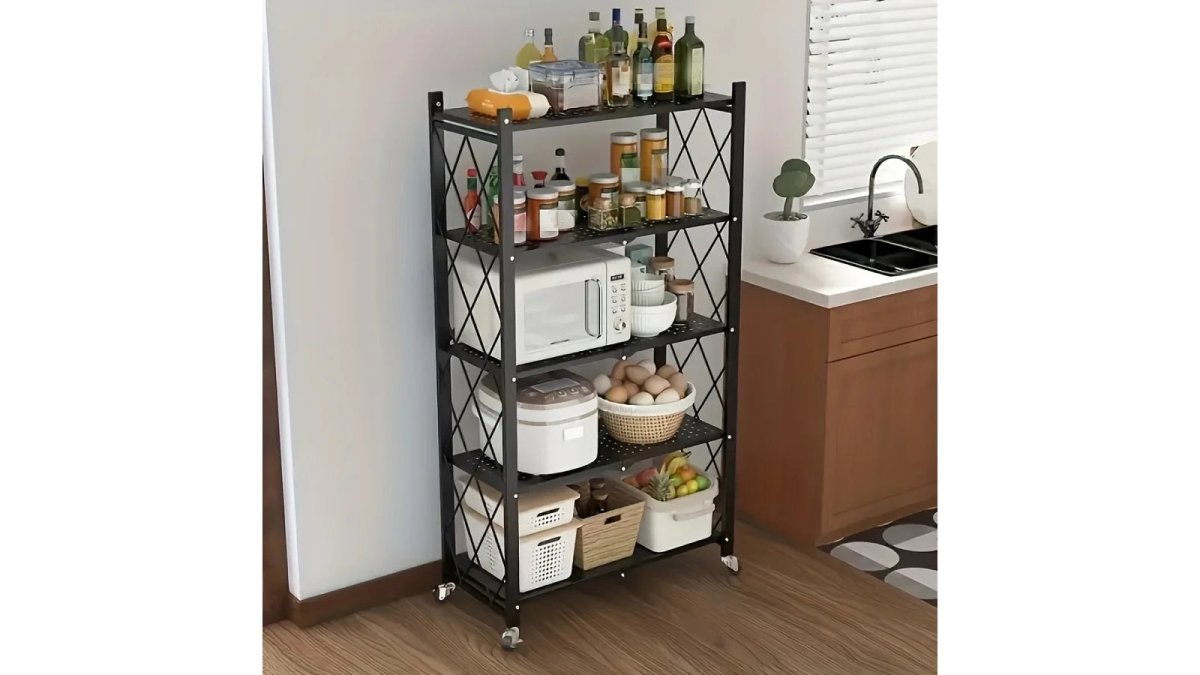
The material composition matters significantly. Most heavy duty workbenches use steel with specific gauge ratings, typically 14-16 gauge for the frame, which determines how much deflection occurs under load. The work surface itself might be powder-coated steel, hardwood, or laminate, each offering different benefits for specific tasks. Powder coating adds impact resistance and corrosion protection, while hardwood surfaces absorb vibration during precision work.
Superior Tool Garage and Outdoors recognizes that choosing the right workbench setup requires understanding these foundational differences. The investment in a properly constructed bench pays dividends through reduced maintenance, fewer replacements, and safer working conditions. A workbench that flexes or wobbles introduces safety risks and limits the types of work you can confidently perform.
Heavy Duty Workbench Weight Capacity and Load Ratings
The weight capacity of a heavy duty workbench determines what work you can realistically perform. Most industrial-grade benches support between 500 and 2,000 pounds of static load, though some specialized models exceed this significantly. Static load refers to weight that remains stationary on the surface; dynamic load accounts for impact, vibration, and movement during active work.
Understanding the difference between these two matters. A bench rated for 1,000 pounds static load might only handle 300-400 pounds of dynamic load safely. If you're using pneumatic tools, striking metal, or applying force with hammers and presses, you're creating dynamic stress. A bench that seems adequate for static storage might fail under actual working conditions.
The gauge steel used in the frame directly impacts load capacity. Lower gauge numbers indicate thicker steel and higher weight ratings. A 14-gauge steel frame handles significantly more stress than 18-gauge construction. Most heavy duty workbenches specify their maximum load per square foot, which is the critical metric for distributed weight across the work surface.
Reinforced corners and diagonal bracing also influence capacity. Benches with X-bracing or triangulated support structures resist deflection and torsional stress far better than simple four-legged designs. When evaluating any workbench, look for multiple attachment points between the frame and legs, these distribute force more effectively than benches with minimal connections.
Steel vs Wood Workbench Durability: Which Holds Up
Steel workbenches and wood workbenches serve different purposes, and durability depends on your specific environment and work type. Steel offers superior resistance to impact, chemicals, and moisture, making it the choice for demanding industrial settings and wet environments. Wood provides vibration dampening and is easier to customize with bolt-on accessories, but requires ongoing maintenance and eventually degrades under heavy use.
Steel's durability advantage comes from its inherent properties. Steel doesn't absorb moisture, won't rot or splinter, and resists chemical damage from oils, solvents, and coolants. A steel workbench in a garage exposed to humidity, temperature swings, and chemical spills will outlast a wood bench by decades. The powder coating adds another layer of protection against rust and corrosion. Most quality steel benches maintain structural integrity for 20+ years with minimal maintenance, while wood benches typically require replacement or major refinishing every 8-12 years under regular use.
Wood workbenches excel in environments where vibration dampening matters, woodworking shops, precision assembly, and tasks requiring sensitive touch. Hardwoods like maple and oak absorb vibration better than steel, reducing fatigue during detailed work. However, wood requires regular sealing, sanding, and refinishing. Spilled solvents can stain or damage the surface. Heavy tools dropped on wood create permanent dents and gouges. The cumulative maintenance burden, annual sealing, periodic sanding, surface repairs, adds 10-15 hours of labor annually for a well-used wood bench.
The Sustainability and Total Cost Argument
From an environmental perspective, the "buy once, cry once" philosophy of investing in a durable steel workbench actually reduces your carbon footprint over time. Manufacturing a new workbench requires raw materials, energy, and transportation. A steel bench used for 20 years spreads that manufacturing impact across two decades of work. A wood bench replaced twice in that same period requires three separate manufacturing cycles, three shipments, and generates disposal waste. Steel is also fully recyclable at end-of-life, while treated wood often ends up in landfills.
The practical choice depends on your work and environmental commitment. For automotive repair, metalworking, or any shop where chemicals and moisture are present, steel wins decisively on durability and environmental impact. For woodworking or precision assembly where vibration control matters, wood offers advantages, but expect to maintain it regularly and accept a shorter lifespan. Many serious hobbyists and professionals choose steel for the lower maintenance, longer lifespan, and reduced environmental footprint over the life of the investment.
Best Garage Workbench Features That Justify the Cost
The features that separate a worthwhile investment from an overpriced bench fall into several categories: structural integrity, work surface quality, storage integration, adaptability, and increasingly, integration with modern workshop technology.
Structural Integrity and Load Capacity Matching
72" Adjustable Metal Shelving →
Structural integrity starts with the frame design. Look for fully welded joints rather than bolted connections; welding creates stronger, more permanent bonds. The frame should have diagonal bracing or cross-bracing that prevents racking (the frame twisting under lateral stress). Adjustable feet or leveling mechanisms matter in garages with uneven floors; a workbench that rocks side to side is unstable and dangerous.
Before purchasing, calculate your actual load requirements. Most users underestimate the dynamic loads they create. Start by listing your heaviest tools and materials: a typical automotive engine block weighs 400-600 pounds, a milling machine base 300-800 pounds, a metal fabrication vise with mounted material can easily exceed 500 pounds. Then account for dynamic load multipliers, impact tools, pressing, and striking operations create 2-3x the static weight in stress. If your heaviest single item is 400 pounds and you use pneumatic impact tools, you need a bench rated for at least 1,200 pounds dynamic capacity to maintain a safety margin. Most quality industrial benches specify load ratings per square foot; divide your total weight by the work surface area to ensure you stay within limits. A 4-foot by 2-foot work surface (8 square feet) with a 1,000-pound capacity means 125 pounds per square foot, adequate for most hand tools but tight for concentrated heavy work.
Work Surface Quality and Replaceable Components
The work surface itself requires attention. A thick, durable surface resists denting and provides a stable platform for precision work. Steel surfaces offer durability but can be cold and hard on tools. Hardwood or composite surfaces provide better grip and vibration absorption. Some benches feature replaceable surface panels; when the top wears out, you replace just that section rather than the entire bench. This modularity extends the bench's useful life and reduces long-term costs.
Storage Integration and Workspace Efficiency
Storage integration adds practical value. Shelving underneath, pegboard backing, or built-in drawers keep tools organized and accessible. This reduces project setup time and keeps your workspace efficient. Modular configurations allow you to add or remove shelves and accessories as your needs change.
Digital Integration and Power Management
Vise Mounting and Clamping Surfaces
Safety, Ergonomics, and Injury Prevention
A properly designed heavy duty workbench reduces injury risk through stable work surfaces, appropriate height, and reduced repetitive strain. Unstable benches cause accidents, tools slip, materials shift, and hands move unexpectedly into danger zones. A rigid, level work surface keeps everything where you put it, eliminating one major hazard category.
Long-Term Cost Effectiveness and ROI
The initial cost of a quality heavy duty workbench is significant, but the return on investment becomes clear when you calculate the total cost of ownership over time. A cheap bench might cost half as much upfront but requires replacement within 3-5 years. A quality bench used for 15-20 years represents a far lower annual cost.
Maintenance and Lifecycle Management
Heavy duty workbenches require minimal maintenance when properly constructed, but basic care extends their lifespan significantly. Steel benches need occasional inspection for rust development, particularly in damp environments. If surface rust appears, light sanding and touch-up coating prevents deeper corrosion.
Frequently Asked Questions
Are heavy duty workbenches worth it for home DIYers?
Yes, if you tackle regular projects. Heavy duty workbenches provide structural rigidity and load capacity that standard benches cannot match, reducing wobbling and improving accuracy. They last 10-15+ years with proper maintenance, whereas lighter benches may need replacement within 3-5 years. The initial investment spreads across hundreds of hours of use, making the cost per project minimal. For occasional light work, a standard bench may suffice, but for frequent repairs, automotive work, or woodworking, the durability and safety benefits justify the cost.
How much weight can a heavy duty workbench typically support?
Heavy duty workbenches typically support 800 to 2,000+ pounds of static load, depending on design and materials. Load rating refers to the maximum weight the bench can safely hold without deformation. A reinforced steel frame with welded construction handles both static load (stationary weight) and dynamic load (impact from tools and materials). Always check the manufacturer's specifications, as load capacity varies by model. For metalworking, automotive repair, or machinery work, choose a bench rated well above your heaviest tool or material to ensure safety margins.
What's the difference between steel and wood workbenches in terms of durability?
Steel workbenches offer superior durability in demanding environments. Steel resists warping, splitting, and moisture damage, requires minimal maintenance beyond occasional cleaning, and maintains structural integrity under constant impact. Wood benches, while offering a traditional work surface, absorb moisture, warp over time, and require regular sealing and refinishing. Steel frames with powder coating provide impact resistance and longer operational life. For garages, shops, or outdoor spaces with temperature and humidity fluctuations, steel delivers better long-term reliability and lower maintenance costs than wood.
What features should I prioritize when choosing a heavy duty workbench?
Prioritize load rating (ensure it exceeds your heaviest projects by 25%), structural rigidity (welded construction over bolted), work surface durability (powder-coated steel or reinforced top), and adjustability options. Stability matters more than size, a smaller bench that doesn't wobble beats a larger unstable one. Look for features like built-in storage, modular configuration for future expansion, and heavy-duty hardware. Consider your specific tasks: automotive work needs different features than woodworking or metalworking. Customizable platforms let you adapt the bench as your needs evolve.