


Last Updated: November 1, 2026
Quick Summary
To choose the right metal storage shed, measure your yard first and keep the shed under about 25% of the backyard area. Then size it to fit everything you plan to store, and buy one size larger than you think you need.
- Measure the full yard and note setbacks, access paths and overhead clearance before shopping.
- Morgan USA suggests a shed should not take up more than 25% of the total backyard area.
- Size the shed to what you store: about 6x8 feet for hand tools, 10x10 for a riding mower and bikes.
- Metal sheds are durable and low maintenance, but they can rust, so check seams and hinges twice a year.
- Set the shed on a level, well-drained base and confirm local permit and zoning rules before installing.
Table of Contents
- Start With the Space You Actually Have
- Metal Shed Sizes: Matching Dimensions to What You Store
- Metal vs. Wood Shed: Weighing Durability, Cost, and Maintenance
- Metal Shed Foundation Requirements Before You Buy
- Metal Shed Rust Prevention and Long-Term Care
- Features and Budget: What Is Worth Paying For
- Your Metal Storage Shed Selection Checklist
- Frequently Asked Questions
Start With the Space You Actually Have
Most people buy a shed before they measure their yard, and that is the first mistake. A shed that looks right in a showroom can swallow half your backyard once it is set up. Start with the space you really have, then choose a size that leaves room to walk around it.
Morgan USA suggests a rough rule of thumb: a shed should not take up more than 25% of the total backyard area (Morgan USA guide on choosing a shed size for a backyard). Treat that as a starting point, not a law. Smaller yards often need a lower share, and open lots may handle more.
Before you shop, do these four things:
- Measure the full yard, not just the spot you have in mind.
- Note setbacks from fences, property lines and the house.
- Mark access paths for mowers, wheelbarrows and people carrying things in and out.
- Check overhead clearance for trees, power lines and eaves.
Metal Shed Sizes: Matching Dimensions to What You Store
Size follows storage needs. Write down what goes in the shed, then measure each item at its largest.
A quick way to size up:
- Small (about 6x8 feet): hand tools, a push mower, and garden hoses.
- Medium (about 10x10 feet): a riding mower, bikes, patio cushions and a workbench.
- Large (about 10x12 feet and up): a lawn tractor, a snow blower, a grill and a car-care area.
Our 10x10 FT Outdoor Storage Shed ($273.99) suits a medium yard with room for a mower and bikes. For a wider footprint, the 10x12FT Outdoor Metal Storage Shed ($864.99) gives you room for bulky gear such as a snow blower, lawnmower, bikes and a grill. If you want daylight inside, the Outdoor Metal Storage Shed With Window ($1,082.99) adds a window to the build.

Watch out: buy one size larger than you think you need. Shelves, cabinets and bins eat space fast.
Metal vs. Wood Shed: Weighing Durability, Cost, and Maintenance
Metal and wood are the two choices most buyers compare. Each has trade-offs.
Metal sheds are durable, resist pests and are generally low maintenance. For a side-by-side look at workshop material choices, read Metal Workbench for Woodworking: Worth It?. Keter describes metal as budget-friendly and secure, but notes it can rust and may not hold up well in every climate (Keter guide comparing resin, wood, vinyl and metal sheds). Wood looks more natural in a garden and can be easier to modify, but it needs regular sealing and can rot or warp over time.
| Factor | Metal | Wood |
|---|---|---|
| Durability | High, resists pests | Good with upkeep |
| Upkeep | Low, watch for rust | Regular sealing needed |
| Look | Functional | Natural, customizable |
For most buyers, metal wins on low upkeep. If you live somewhere humid or coastal, plan on rust checks.
Metal Shed Foundation Requirements Before You Buy
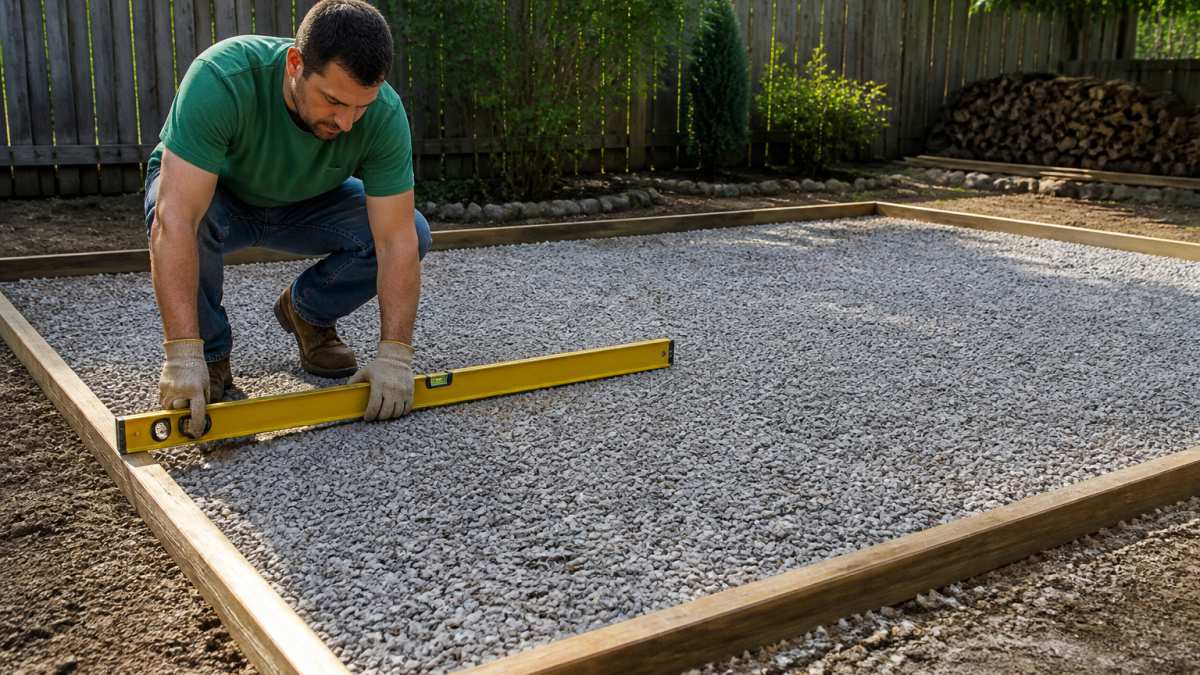
A metal shed needs a flat, stable base. Skipping this step causes doors to stick, panels to warp and frames to twist.
10x10 FT Outdoor Storage Shed →
Good options include a compacted gravel pad, concrete slab, or pressure-treated wood base. Whichever you choose, make sure it is level and drains water away from the structure.
Before installing, confirm local permit and zoning rules with your city or county, since requirements vary by location.
Metal Shed Rust Prevention and Long-Term Care
Rust is the main drawback of metal sheds, but it is manageable. Check seams, corners and door hinges at least twice a year. Scrape off any spots, clean the area, and touch up with a rust-inhibiting paint.
Keep these habits:
- Sweep out debris and leaves that trap moisture.
- Keep gutters clear so water does not pool at the base.
- Open doors on dry days to let air circulate.
- Lubricate hinges and locks once a season.
Consistent care keeps a metal shed looking good for years.
Features and Budget: What Is Worth Paying For
Spend on features that protect your gear and make the shed easier to use. To weigh your options, compare portable carports against permanent metal garages before committing to a budget. Good value includes a lockable door, a sloped roof for water runoff, vents for airflow, and reinforced corners. A window is a nice extra if you plan to work inside.
Skip features you will never use. Build your budget around size and build quality first, then add conveniences.
Your Metal Storage Shed Selection Checklist
Use this list before you buy:
- Measured the yard and set aside clearance on all sides
- Listed everything you will store, with sizes
- Chose a size one step larger than your current list
- Compared metal against wood for your climate
- Planned a level, drained foundation
- Confirmed local permit rules
- Set a rust-check schedule
- Set a budget that covers the shed and a base
Ready to choose? Browse the full range at Superior Tool Garage and Outdoors and find a metal storage shed that fits your yard.
Frequently Asked Questions
What size metal shed do I need for my yard?
Start by listing what you plan to store, then measure the footprint you have available. A common rule of thumb is that a shed should not take up more than about 25% of your total backyard area; it is not a code requirement. Leave clearance on all sides for door swing, airflow, and access for maintenance. Check local setback rules with your city or county before you commit to a size, since those rules can limit placement regardless of how much room you have.
Do metal sheds need a foundation?
Most metal storage sheds perform best on a level, well-drained base such as a concrete slab, a gravel pad, or a treated wood floor frame. A stable foundation keeps the frame square, helps doors close properly, and reduces moisture rising from the ground. Check the manufacturer's installation instructions for the exact base they recommend for your model before you prepare the site. Local permit rules may also apply to permanent foundations, so confirm requirements with your local building department.
Are metal sheds better than wood or resin sheds?
Metal sheds are generally more budget-friendly and offer strong security and fire resistance, but metal can rust and may not hold up well in every climate. Wood offers a traditional look and can be repaired with common tools, though it requires periodic staining or sealing. Resin is low maintenance and resists rot. Choose based on your climate, how much upkeep you are willing to do, and how the shed will look in your yard.
How do I keep a metal shed from rusting?
Keep the interior and exterior dry by clearing debris, leaves, and standing water from around the base, and by checking that the sloped roof drains freely. Inspect seams, fasteners, and corners at least twice a year for scratches or chipped paint, and touch them up promptly with a rust-inhibiting primer and paint. Improve ventilation with the shed's vents to reduce condensation inside. Storing damp items or leaving wet tools inside accelerates rust, so dry equipment before putting it away.
